Camden Council rules for floral displays on Hampstead streets
Posted on 27/10/2026
If you are planning floral displays on Hampstead streets, the first question is usually not about colour or style. It is about whether the display is actually allowed, and what Camden Council may expect from it. That matters whether you are a shop owner trying to brighten a frontage, a cafe putting out seasonal planters, or a resident wanting something tasteful outside a home. The Camden Council rules for floral displays on Hampstead streets are there to balance beauty with public safety, street access, and the everyday reality of a busy London neighbourhood.
And let's be honest, Hampstead has its own feel. Tree-lined pavements, tight footways in places, bins, cycle parking, delivery activity, the odd pram and dog all moving through the same stretch. A floral display that looks charming in a photo can become a nuisance very quickly if it blocks movement or creates trip hazards. This guide walks through the practical side of doing it properly, without the guesswork.
Below you will find a clear explanation of how the rules generally work, why they matter, what to watch out for, and how to plan a display that is attractive, sensible, and far less likely to cause trouble. A few examples are included too, because theory is nice, but a pavement in Hampstead on a wet Friday afternoon is the real test.
Table of Contents
- Why Camden Council rules for floral displays on Hampstead streets Matters
- How Camden Council rules for floral displays on Hampstead streets Works
- Key Benefits and Practical Advantages
- Who This Is For and When It Makes Sense
- Step-by-Step Guidance
- Expert Tips for Better Results
- Common Mistakes to Avoid
- Tools, Resources and Recommendations
- Law, Compliance, Standards, or Best Practice
- Options, Methods, or Comparison Table
- Case Study or Real-World Example
- Practical Checklist
- Conclusion
- Frequently Asked Questions
Why Camden Council rules for floral displays on Hampstead streets Matters
Floral displays are often treated as a simple visual touch, but on a public street they become part of the street environment. That means they can affect accessibility, visibility, upkeep, and even neighbour relations. Camden Council's approach is not about discouraging attractive frontages; it is about making sure the street remains usable and safe for everyone.
On Hampstead streets, this can matter more than people expect. Pavements can narrow around shopfronts, garden walls, tree pits, signage, seating, and parking bays. A display that sits comfortably against a wide promenade elsewhere may feel cramped here. If the arrangement spills into the pedestrian route or forces people into the carriageway, it stops being decorative and starts becoming a problem.
There is also a practical side for businesses. A neat floral display can signal care, quality, and attention to detail. A neglected one, by contrast, looks scruffy within days. Wilted stems, broken pots, loose soil, water runoff, or pots that wobble in the wind all create issues. To be fair, the same planter that looks elegant at 9 a.m. can look tired by dusk if it is not maintained properly.
For residents, the issue is often neighbourly rather than commercial. A display near a boundary, doorway, or public edge can raise questions about responsibility, watering, obstruction, and who clears it if pots are knocked over. The rules help define those expectations before small disagreements turn into bigger ones. Nobody wants a row over geraniums. It sounds funny until it happens.
Expert summary: In practical terms, floral displays on Hampstead streets should be attractive, stable, low-obstruction, and easy to maintain. If a display makes it harder for people to pass, it is probably too ambitious.
How Camden Council rules for floral displays on Hampstead streets Works
The exact process depends on where the display sits and what it affects. A small planter within private frontage space is usually very different from a display that touches the public highway, pavement edge, or a licensed business frontage. In practice, Camden's concern is likely to focus on whether the display is on public land, whether it encroaches onto the highway, and whether it creates a hazard or obstruction.
That means the first step is simple: work out whether the display is private, semi-private, or public-facing in a way that affects the pavement. If a pot, trough, basket, or floral stand is entirely within your own land and not overhanging the footway, the issue is usually much less complicated. Once the display interacts with the pavement, however, the situation becomes more sensitive.
For a Hampstead shopfront, restaurant terrace, salon, or community venue, the main practical questions are often the same:
- Does it leave enough clear width for pedestrians?
- Could it obstruct wheelchairs, pushchairs, or mobility aids?
- Can it be seen by people with limited sight?
- Is it stable in wind or rain?
- Will it create slipping risks from water, soil, or petals?
- Is it easy to remove if required?
That last point is an important one. Displays that are portable and well-maintained tend to be easier to manage than built-in arrangements that become part of the street scene without any clear control. A florist-style planter outside a business can look lovely; a planter that is too heavy to move if the council needs access, not so much.
If a display needs formal permission, approval, or a licence, you should not assume a verbal nod from a neighbour or a passing employee is enough. In local authority matters, informality can cost more time later. A display that is launched first and discussed later can end up being removed, and that is a miserable way to learn the lesson.
Key Benefits and Practical Advantages
When floral displays are planned properly, they can do quite a lot of work for a street and a business. The gains are not only visual. They are also practical, reputational, and sometimes surprisingly commercial.
1. Better street appeal
A tidy display instantly softens a frontage. Hampstead already has a strong visual identity, and flowers can complement that rather than fight it. Seasonal planting works especially well because it feels alive rather than generic.
2. Clearer customer welcome
People often decide how a place feels before they walk in. A well-placed display can make a frontage feel cared for and inviting. That matters for florists, cafes, gift shops, galleries, and independent retailers. It creates a small cue: this place pays attention.
3. Stronger local character
One of the quiet benefits of floral displays is how much they can reinforce a neighbourhood's character. Hampstead is not a one-size-fits-all place. A more considered display can reflect that local tone better than mass-produced signage ever will.
4. Better seasonal flexibility
With the right approach, displays can change through the year. Spring bulbs, summer colour, autumn texture, winter greenery. That gives you variety without needing a full redesign each time. And yes, people do notice when a frontage keeps up with the seasons.
5. Reduced complaint risk when done well
Strange as it sounds, a compliant display can lower the chance of complaints because it stays within agreed boundaries. That means less anxiety for business owners and less friction with neighbours or passers-by.
| Benefit | What it looks like in practice | Why it matters |
|---|---|---|
| Visual appeal | Fresh planters, balanced colours, neat presentation | Makes the frontage look cared for |
| Public safety | Stable pots, clear walking route, no hidden hazards | Protects pedestrians and reduces liability concerns |
| Local identity | Design that suits Hampstead's character | Supports a more premium, respectful street presence |
| Operational ease | Easy watering, moving, and cleaning | Saves time and avoids maintenance headaches |
| Compliance comfort | Display built around access rules | Less risk of removal or disputes |
Who This Is For and When It Makes Sense
This topic is most relevant to people whose floral displays are visible from, or physically connected to, public streets in Hampstead. That includes a fairly wide group.
- Independent shops that want a more attractive frontage
- Cafes and restaurants using pavement-adjacent decor
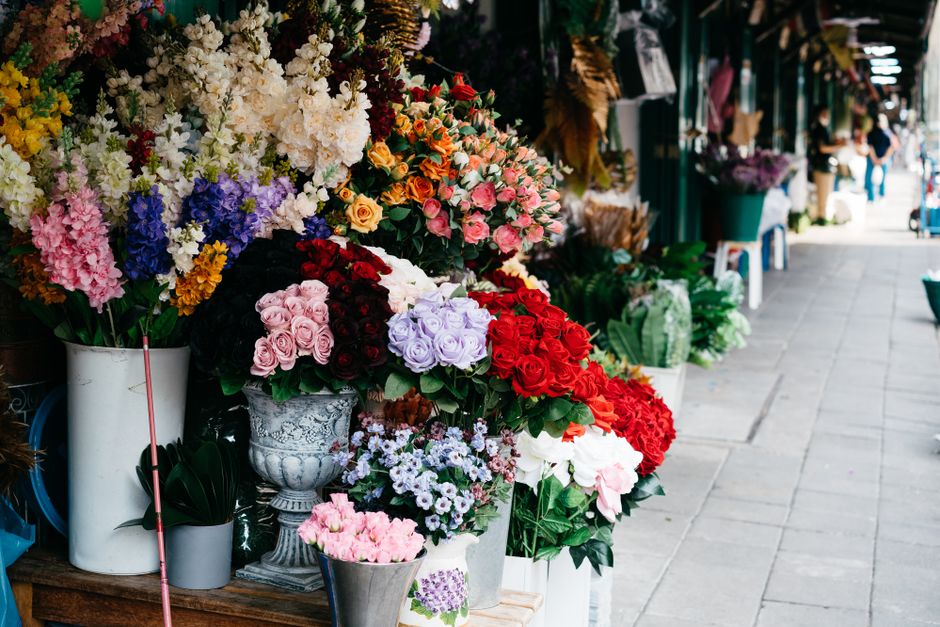
- Florists showcasing stock outside their premises
- Residents with boundary planters or front garden displays near the pavement
- Event organisers decorating entrances for weddings, launches, or local occasions
- Property managers responsible for managing shared or visible frontage space
It also makes sense if you are planning a display for a special event and want it to feel polished rather than improvised. A wedding venue in or near Hampstead, for example, might want florals at the entrance that set the tone without causing footway issues. Likewise, a memorial tribute or seasonal arrangement may need a calmer, more controlled presentation than a standard decorative pot.
Truth be told, if your display is small, low, and entirely on your own land, the subject may never become complicated. But once there is any doubt about the pavement edge, it is better to pause and check than to "just pop it outside" and hope for the best. Hope is not a strategy. Not here.
Step-by-Step Guidance
If you want to approach floral displays in a sensible way, work through the process in order. It avoids rushed decisions and gives you a much better chance of getting something that looks good and stays trouble-free.
Step 1: Identify the exact location
Measure where the display will sit. Do not guess. A planter that seems tucked away may actually protrude into the walking line once it is in place. Mark the footprint with tape or chalk if needed, then walk around it as a pedestrian would.
Step 2: Check who controls the space
Is the area fully private, a frontage visible from the street, or directly within the highway zone? If there is any uncertainty about ownership or control, that should be clarified before anything is installed.
Step 3: Think about access first, decoration second
It sounds obvious, but people often flip this order. Start with the route people need to take. Then design around it. A display should enhance the street, not squeeze it.
Step 4: Choose stable, weather-aware containers
Use pots or troughs that are heavy enough to stay put, but still manageable if they need moving. Drainage matters too. A beautiful planter with no drainage can become a soggy mess within days, and then everyone is miserable.
Step 5: Select flowers and greenery that suit the site
Pick varieties that match sunlight, exposure, and maintenance capacity. A sheltered shaded frontage is not the same as a breezy corner near a busy junction. In exposed spots, compact planting often works better than tall, delicate stems.
Step 6: Plan for upkeep
Who waters it? Who deadheads it? Who removes fallen petals or spilled soil? If no one can answer these questions clearly, the display is not ready yet. A display is only as good as its maintenance.
Step 7: Prepare a removal plan
If the council asks for adjustments, you should be able to move the display quickly. Portable arrangements are generally safer than permanent ones. Keep spare trays, ties, and gloves nearby. Simple, but useful.
Step 8: Review after installation
Once the flowers are in place, step back and check sightlines, access, and balance. Then check again in daylight and after rain if possible. Morning light can make things look tidy that become less charming by late afternoon.
Expert Tips for Better Results
Good floral displays tend to look effortless because someone has made a lot of decisions in advance. Here are the things that usually make the difference.
- Keep the footprint modest. A restrained display is often more elegant than a crowded one.
- Use repetition carefully. Matching containers can look smart, but too many identical pots can feel rigid.
- Choose colours that suit the building. Brick, render, painted shopfronts, and railings all change how colour reads in daylight.
- Stick to one or two focal points. Too many visual ideas in one small area becomes busy very fast.
- Build in wind resistance. Hampstead streets can catch gusts in awkward ways around corners and gaps.
- Keep irrigation simple. If watering the display feels like a chore, it probably will not last.
One thing people underestimate is scale. A display that looks lush in a florist's studio can overwhelm a narrow pavement. Smaller, deliberate arrangements often land better. They also age better, which matters when London weather is doing its usual unpredictable thing.
If you are designing for a business frontage, think in terms of a welcoming frame rather than a floral barrier. That small shift in mindset helps. The display should say "come in", not "please navigate this botanical obstacle course".
Common Mistakes to Avoid
A lot of floral display problems are not caused by bad taste. They are caused by poor planning. The mistakes below show up again and again.
- Blocking the pedestrian route with pots, baskets, or stands
- Using unstable containers that tip easily in wind or foot traffic
- Ignoring drainage and creating slippery surfaces
- Choosing plants that need more care than the site can provide
- Assuming "small" equals "approved" without checking the actual position
- Overcrowding the frontage so the display competes with signs and entry points
- Forgetting maintenance and letting the display go tired within a week
There is also the human error that happens when somebody says, "it'll be fine, we've always done it this way." That sentence causes more trouble than it should. Streets change. Footfall changes. Council expectations change. What worked five years ago may not be the safest or cleanest approach now.
Another common slip is placing a display where it looks good from inside the building but terrible from the pavement. Always check the public view. You will notice things you did not see from behind the counter.
Tools, Resources and Recommendations
You do not need specialist equipment to manage most floral displays, but a few practical tools make life easier and reduce risk.
- Measuring tape for checking pavement width and footprint
- Low-profile plant stands or stable troughs for safer placement
- Watering cans or a simple irrigation plan to keep maintenance consistent
- Gloves and secateurs for regular deadheading and cleanup
- Non-slip trays or bases where water runoff might be an issue
- Weather-proof labels or tags if plants need identification or rotation
- Photo notes to record how the display looks at different times of day
For businesses that want a more polished approach, it helps to treat the display like part of the frontage design rather than an afterthought. That might mean coordinating flowers with signage, window dressing, or seasonal promotions. A small detail, but it makes the whole street face feel more intentional.
If you need supporting products for your wider floral planning, it may also help to look at practical pages such as flower delivery in Hampstead NW6, a local florist in Hampstead NW6, or the wider range of all flowers available for different display styles. Those pages are more about sourcing and selection than regulation, but they can still help you plan something suitable.
Law, Compliance, Standards, or Best Practice
Because floral displays on streets can touch public space, the safest approach is to treat them as a compliance issue as well as a design choice. The exact legal position will depend on whether the display sits on private land, encroaches onto the highway, or affects public access. Where public footpaths, licensed frontages, or shared access routes are involved, you should expect a higher standard of care.
Best practice usually means three things:
- No obstruction to safe pedestrian movement
- No unnecessary risk from unstable containers, water, or debris
- No confusion about who owns, maintains, or removes the display
If you are running a business, you should also think about general duties of care. Even when a display is visually small, it can still create a foreseeable risk if someone trips, slips, or has to step into traffic to avoid it. That is why a tidy, conservative layout often makes more sense than a dramatic one.
In compliance terms, records help. Keep notes of where the display is placed, when it was checked, and who is responsible for maintenance. That may sound a bit formal for flowers, but if anything goes wrong, the difference between "we think it was fine" and "we checked it on Tuesday morning" is huge.
If you are unsure whether a display needs consent or whether a site is sensitive, the sensible move is to get proper local advice before installation. It is quicker than dismantling everything later, and far less stressful.
Options, Methods, or Comparison Table
Different floral display methods suit different places. A compact shopfront in Hampstead will have different needs from a residence or event venue. Here is a simple comparison to help you think it through.
| Method | Best for | Pros | Cons |
|---|---|---|---|
| Loose pots | Small frontages, temporary arrangements | Easy to move, low commitment | Can look untidy if mismatched or poorly spaced |
| Matching troughs | Business entrances, orderly street presence | Clean, coherent look, easier branding | May be heavy and need careful placement |
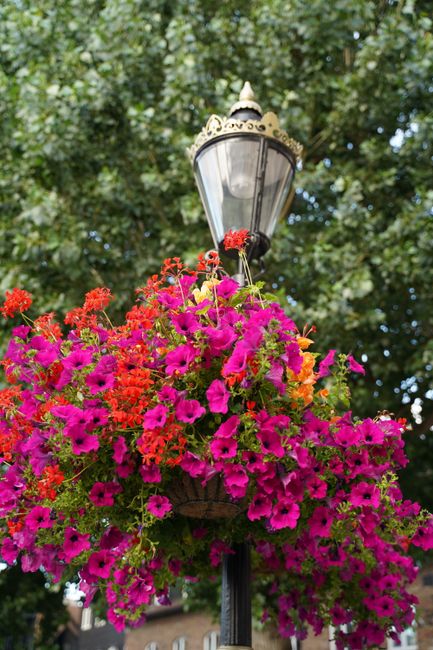
| Hanging baskets | Fronts with limited pavement space | Leaves walking space clear, visually striking | Needs secure fixing and regular watering |
| Window-adjacent displays | Shopfronts with no pavement tolerance | Safer if kept within the boundary | Less visible from a distance |
| Seasonal entrance styling | Events and hospitality venues | Flexible, can be updated easily | Requires more regular refresh and planning |
For many Hampstead locations, the best choice is the one that stays visually strong without claiming too much space. That might sound obvious, but in practice it is the difference between an elegant frontage and a slightly crowded one. Less can be more. Annoyingly often, it is.
Case Study or Real-World Example
Imagine a small independent cafe on a Hampstead street with a narrow pavement and a neatly painted shopfront. The owner wants two large planters with seasonal flowers at the entrance because they want the place to feel welcoming from the moment people walk past. A week before launch, they sketch the idea out on the pavement with masking tape rather than putting the planters straight out. That simple step shows the route for pushchairs and mobility aids is tighter than expected.
So the owner adjusts the plan. Instead of two wide planters, they use one narrower trough on each side, keep them back from the main walking line, and choose low, sturdy planting rather than tall stems that might snag or bend into passers-by. They add drip trays, check them after watering, and keep a maintenance schedule in the staff rota. Nothing glamorous. Just practical.
The result is calmer, cleaner, and more in keeping with the street. Customers still notice the flowers, but nobody has to sidestep them. A delivery rider can get by, a pram passes without fuss, and the display looks good in both bright morning light and early evening shade. That is the sweet spot. You feel it when a frontage just works.
Could the owner have gone bigger? Probably. But bigger is not always better on a street like this. In this case, restraint protected the idea.
Practical Checklist
Use this checklist before you install or refresh floral displays on Hampstead streets:
- Have I confirmed whether the display sits on private or public-facing space?
- Does the display leave enough clear room for pedestrians and accessibility users?
- Are the containers stable, weather-resistant, and easy to move if needed?
- Have I chosen plants that suit the light, wind, and maintenance level of the site?
- Is there a clear person responsible for watering and cleaning?
- Will drainage, soil, or petals create a slipping risk?
- Does the arrangement look balanced from the street, not just from inside the building?
- Can the display be removed or adjusted quickly if required?
- Have I reviewed the frontage after installation in daylight?
- Is the display respectful of neighbouring entrances, signage, and shared space?
If you can tick all of those off, you are in a much better place. Not perfect maybe, but solid. And solid is what you want when public space is involved.
For those coordinating floral orders around a display, related product options such as same-day flower delivery in Hampstead NW6 or the best flower delivery in Hampstead NW6 can be useful for timing and refreshes, especially when a frontage needs a quick seasonal update.
Conclusion
Camden Council rules for floral displays on Hampstead streets are best understood as a practical framework, not a creative straightjacket. They exist so flowers can improve the street without causing access problems, slips, clutter, or disputes. That is really the heart of it.
If you plan carefully, measure properly, and keep maintenance in mind, floral displays can feel like a genuine asset to a Hampstead frontage. Done well, they add warmth, character, and a little everyday pleasure. Done badly, they turn into a nuisance by the weekend. The good news is that most problems are avoidable with a bit of thought and a few common-sense checks.
Get a free quote today and see how much you can save.
And if you are still deciding, take your time. The best street displays usually come from calm decisions, not rushed ones. Flowers last longer that way too.
Frequently Asked Questions
Do I need permission for floral displays on Hampstead streets?
It depends on where the display is placed and whether it affects public space. If the flowers stay entirely within your own boundary, the position may be simpler. If they touch or encroach onto the pavement or highway, permission or approval may be needed.
Can I put flower pots outside my shop in Hampstead?
Possibly, yes, but the pots must not create an obstruction or safety issue. The key questions are pedestrian access, stability, and whether the display sits within land you are allowed to use.
What is the biggest risk with pavement floral displays?
Obstruction is usually the biggest issue, followed closely by trip and slip hazards. A pot in the wrong place can make a pavement feel much narrower than it really is.
Are hanging baskets safer than ground-level planters?
Often they are, because they keep the walking route clear. That said, they still need secure fixing, regular watering, and proper maintenance so they do not become a hazard overhead.
How wide should a clear route be left on the pavement?
That depends on the exact site and local requirements, so there is no single safe number to rely on here. The sensible approach is to prioritise an unbroken, comfortable pedestrian route and check the space against the site's actual conditions.
Can floral displays be left out overnight?
Sometimes they can, but only if they remain secure, stable, and do not create a hazard after dark or when the street is quieter. If theft, wind, or clutter is a concern, they may need to be moved.
What flowers work best for street-side displays in Hampstead?
Sturdy, low-maintenance plants usually work best. Choose varieties that suit the light, wind exposure, and amount of care available. The best flower is often the one that still looks good after a few busy days.
How often should floral displays be maintained?
As often as needed to keep them tidy, healthy, and safe. For many street-facing displays, that means regular checks rather than occasional attention. If you wait until something looks wrong, you are already behind.
Can a floral display cause a complaint even if it looks nice?
Absolutely. A display can be attractive and still cause issues if it blocks access, drops debris, or creates tension with neighbours. Good looks do not cancel out bad placement.
What should I do if I am not sure whether my display is compliant?
Pause before installing it and review the exact location, frontage width, and public access impact. If there is real uncertainty, getting local guidance before placement is far wiser than removing and reworking it later.
Are seasonal floral displays treated differently from permanent ones?
They can be, mainly because temporary displays are often easier to assess, move, and maintain. Permanent or semi-permanent arrangements usually need more care because they can create ongoing access issues.
What is the simplest way to make a display safer?
Keep it lower, narrower, and more stable than your first instinct might suggest. A modest, well-placed display usually causes far fewer problems than a bold one that tries to do too much.