Hampstead floral waste disposal rules and fines explained
Posted on 04/11/2026
If you work with flowers in Hampstead, run events, manage a shop, or simply end up with more stems, leaves, and packaging than you expected, floral waste disposal can become a very real problem. It looks harmless enough at first glance. A few wilted roses, some damp paper, a broken arrangement after delivery. Then suddenly you are wondering what can go in which bin, what needs separating, and whether the wrong disposal method could lead to a fine.
This guide to Hampstead floral waste disposal rules and fines explained breaks the topic down in plain English. We will look at what floral waste actually includes, how disposal usually works in practice, why the rules matter, what mistakes create risk, and how to stay on the right side of local expectations. If you need a practical, no-nonsense explanation, you are in the right place.
To be fair, most people do not think about waste rules until the bins are overflowing and there is a muddy pile of stems at the back door. That is exactly when a calm, organised approach helps most.
- Why the rules matter
- How floral waste disposal works
- Key benefits of doing it properly
- Who needs to follow these rules
- Step-by-step guidance
- Expert tips
- Common mistakes to avoid
- Tools, resources and recommendations
- Law, compliance, standards and best practice
- Options and comparison table
- Real-world example
- Practical checklist
- Conclusion
- Frequently asked questions
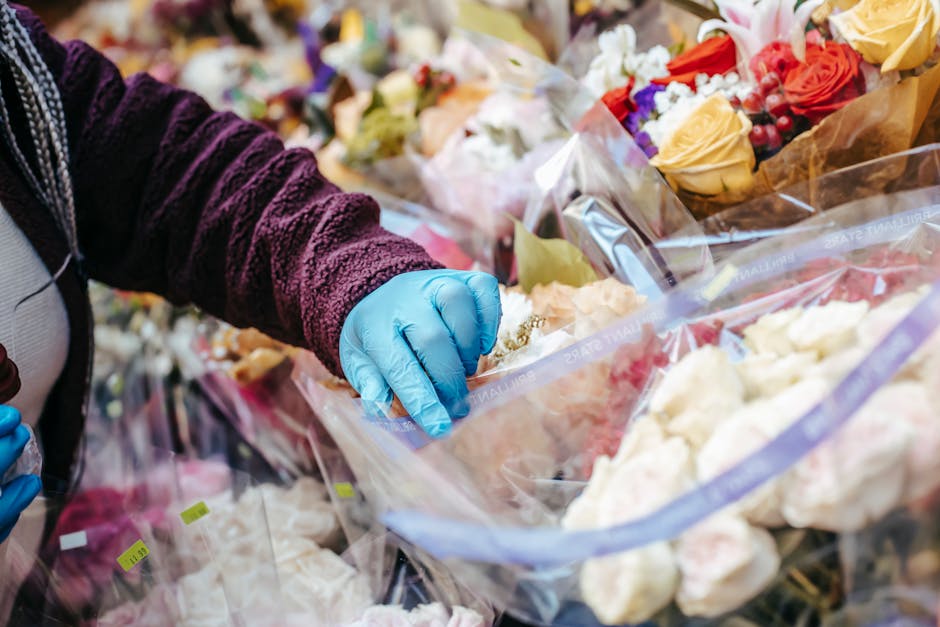
Why Hampstead floral waste disposal rules and fines explained Matters
Floral waste is easy to underestimate. A bucket of dead blooms does not look like a serious compliance issue, but it can become one if it is handled badly. In Hampstead, as in the rest of London, waste has to be managed responsibly, separated sensibly, and presented in a way that does not create nuisance, spillages, odours, or avoidable contamination.
The big reason this matters is simple: once floral waste mixes with the wrong materials, disposal becomes harder and potentially more expensive. Wet foliage, compostable wraps, plastic sleeves, ribbon, florist wire, foam, and cardboard all behave differently. If they are thrown together, you can end up with a contaminated load that is rejected, penalised, or more costly to collect.
And yes, fines can follow in some cases. Those fines are not usually for having flowers in your premises. They are more likely to relate to poor waste storage, illegal dumping, blocking pavements, fly-tipping, or failing to present waste correctly. That is where businesses and households can trip up.
Expert summary: the safest approach is to treat floral waste as a mixed waste problem, not just a "garden waste" problem. Separate what you can, keep it contained, and never assume all flower-related materials can go in the same bag.
For local businesses, the stakes are higher. A florist, wedding planner, hotel, venue, or office receiving regular arrangements may produce a steady stream of organic waste and packaging. If the disposal process is messy, it is visible. Staff notice it. Neighbours notice it. And enforcement teams can notice it too. Not ideal, really.
How Hampstead floral waste disposal rules and fines explained Works
In practice, floral waste disposal comes down to three things: separation, containment, and collection. That sounds straightforward, but the details matter.
First, separate organic material from non-organic material wherever possible. Stems, leaves, and spent blooms are one thing. Cellophane, plastic wraps, foam, tapes, tags, pins, and wire are another. If everything goes into one black bag, the waste stream becomes contaminated and harder to process responsibly.
Second, contain the waste properly. Damp floral waste can leak. It can smell. It can attract pests if left too long. In a busy Hampstead street, with foot traffic, tight pavements, and deliveries arriving all day, poor containment is asking for trouble. A secure bin, sealed bag, or designated waste container is usually far better than a loose pile behind the shop.
Third, arrange collection or disposal in a lawful way. That might mean using the property's waste collection service, a commercial waste contract, or an authorised disposal route. The right option depends on the size of the waste volume, how often it is produced, and whether the waste is from a business or from a one-off event.
If you are a florist or event organiser, you will often need a routine system rather than ad hoc bin use. A Mother's Day weekend, for example, can generate a surprising mountain of packaging and faded stems by Monday morning. It happens every year. The trick is being ready before it happens, not after.
Key Benefits and Practical Advantages
Doing floral waste disposal well is not just about avoiding penalties. There are real practical advantages too.
- Cleaner premises: less mess around entrances, prep areas, and back-of-house spaces.
- Better hygiene: reduced risk of odours, damp, and pest attraction.
- Smoother operations: staff spend less time dealing with waste chaos.
- Lower compliance risk: fewer issues with contamination, storage, or fly-tipping.
- Better customer impression: a tidy florist or event space simply feels more professional.
- More sustainable practice: separating recyclable and organic materials can reduce avoidable landfill.
There is also a quieter benefit that people often overlook: better waste habits make your whole workflow calmer. When bins are labelled properly and waste is removed on schedule, staff do not waste time guessing what goes where. Small thing, but it adds up.
If your business already pays attention to presentation, perhaps by offering flower delivery in Hampstead or managing display stock carefully, waste handling should be part of the same mindset. Front-of-house beauty and back-of-house discipline really do go together.
Who This Is For and When It Makes Sense
This topic matters to a wider group than you might expect. It is not just for florists. If flowers are part of your day-to-day work, disposal rules matter.
- Florists and flower shops: the most obvious group, especially where daily waste is high.
- Wedding and events businesses: large arrangements, table flowers, and temporary decor create mixed waste.
- Hotels, restaurants, and offices: regular arrangements still create disposal duties.
- Caterers and venue teams: event clean-downs often include floral leftovers.
- Households: even home arrangements need careful disposal if packaging and stems are mixed.
- Property managers and landlords: communal areas can end up with abandoned bouquets or improper dumping.
It makes sense to review your waste setup whenever floral volume changes. That might be seasonal peaks, a new wedding contract, a fresh contract with a corporate client, or simply the decision to sell more arrangements. The more flowers you handle, the more a casual approach stops working.
And here is a practical detail: if floral waste is being produced in a business setting, the answer is rarely "just put it in the nearest bin." That is the kind of shortcut that tends to go wrong at 6:30 on a wet Tuesday morning. Not glamorous, but true.
Step-by-Step Guidance
Below is a simple, workable process you can follow. It is not complicated, which is good, because nobody wants a waste system that needs a manual longer than the flower catalogue.
- Sort the waste at source. Put stems, petals, leaves, and organic offcuts in one container. Keep plastics, ribbons, and hard waste separate.
- Remove obvious contaminants. Take out florist wire, foam, tape, labels, ties, and any non-organic decorations wherever possible.
- Use the right bag or container. Choose something strong enough to hold damp organic waste without tearing.
- Store it securely. Keep waste in a designated area away from public access, spills, and food prep spaces.
- Empty on a regular schedule. Do not let floral waste linger for days if it can be avoided.
- Check your collection arrangements. Make sure your waste contractor or local collection method is suitable for the volume you generate.
- Keep a basic record. For business premises, note what waste is produced, how it is separated, and when it is collected. Nothing fancy. Just enough to show good practice if needed.
For mixed-event settings, a useful habit is to create a "flower waste point" before the event starts. One bin for organics, one for packaging, one for sharp items if relevant. Set it up early and people follow it. Wait until the end and, well, good luck.
Expert Tips for Better Results
Here are the small things that tend to make a big difference in real life.
- Label bins clearly. A sign that says "flowers only" or "organic floral waste" prevents guesswork.
- Use liners that actually hold up. Thin bags split when wet stems settle at the bottom.
- Cut waste down before it hits the bin. Shortening long stems or flattening boxes saves space and reduces overflow.
- Keep cardboard dry. Wet cardboard usually becomes less recyclable and more troublesome.
- Train temporary staff. Seasonal teams often need a quick briefing, especially around busy periods.
- Review arrangements after peak seasons. What worked in winter may fall apart in spring rush or wedding season.
One tip that sounds almost too obvious: do not put anything in a bin just because it is "flower-related." That can include plastic picks, metal spikes, cellophane sleeves, and foam, none of which behave like flowers at all. Small distinction, big consequence.
If you are supplying arrangements regularly, it can help to browse a structured range such as all flowers or even seasonal selections like summer flowers so that inventory and waste planning stay aligned. The more predictable your stock, the easier the waste stream tends to be.
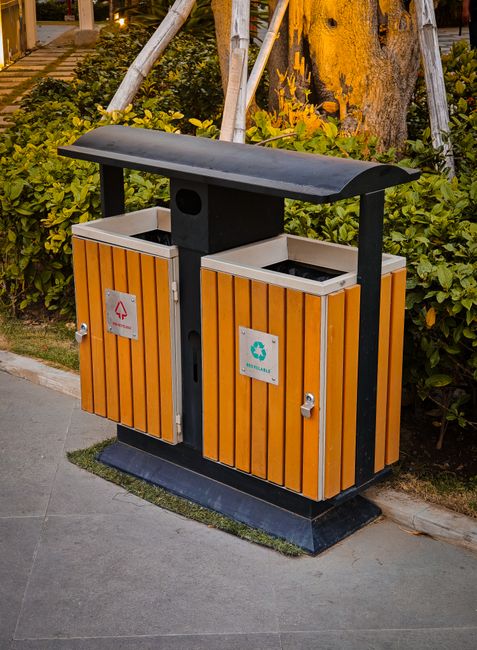
Common Mistakes to Avoid
Most waste problems come from the same handful of mistakes. The good news is they are avoidable once you know what to watch for.
- Mixing organic waste with plastic packaging. This is probably the most common contamination issue.
- Leaving waste outside too early. That can create litter, smells, or complaints from neighbours.
- Using the wrong bin. A general waste bin is not always the right answer, especially for larger volumes.
- Ignoring wet waste. Flowers hold water. Water adds weight and leakage risk.
- Overfilling containers. If the lid will not close, the setup is already failing.
- Assuming all floral waste is compostable. Some decorative materials are not.
- Failing to brief staff. One person doing it right and three doing it wrong still gives you a mess.
One of the less obvious mistakes is assuming small volumes cannot cause enforcement issues. They can. If a bag bursts on the pavement or waste is left in the wrong place, it is visible immediately. Waste problems have a funny way of becoming public very quickly.
Tools, Resources and Recommendations
You do not need a huge system to handle floral waste properly. A few practical tools go a long way.
- Heavy-duty bags: suitable for damp stems and organic offcuts.
- Clearly labelled bins: for organics, packaging, and general waste.
- Tidy storage crates: useful for separating clean cardboard from mixed waste.
- Cleaning supplies: mops, absorbent materials, and gloves for quick spill control.
- Basic checklist sheets: handy for opening and closing routines.
- Waste contractor notes: keep a simple record of collection days and service terms.
For customers or teams that value reliability across the rest of the business too, it can help to review site information such as delivery, returns and refund, and sustainability policies. Those pages do not replace waste planning, of course, but they help show how a business thinks about service, responsibility, and practical standards as a whole.
If you are dealing with a larger setup, corporate accounts can also be relevant because regular business supply often means regular waste generation. Better to plan for that upfront than improvise later.
Law, Compliance, Standards, or Best Practice
When people ask about fines, they usually want one clear rule. The reality is a bit broader. In the UK, waste handling is governed by general legal duties around responsible disposal, correct storage, and avoiding nuisance or illegal dumping. Local enforcement can apply where waste is mishandled, left out improperly, or disposed of in a way that creates environmental or public health issues.
For Hampstead, the practical takeaway is this: do not treat floral waste as "just rubbish" if it is being generated repeatedly or commercially. Businesses are expected to handle waste responsibly, use proper collection arrangements, and avoid contamination. Households should also avoid leaving waste where it can become litter or obstruct pavements.
Best practice usually includes:
- separating organic and non-organic waste where possible
- keeping waste secure and contained
- using lawful collection or disposal routes
- avoiding fly-tipping or unauthorised dumping
- training staff on simple waste procedures
- keeping premises tidy and accessible
If you are unsure whether a particular item belongs in floral waste, the safest approach is to assume it does not until checked. Foam, wire, plastic wraps, and decorative picks are the usual troublemakers. It is a tiny moment of caution that can save a much larger headache later.
Options, Methods, or Comparison Table
Different disposal methods suit different volumes and settings. Here is a practical comparison.
| Method | Best for | Pros | Watch-outs |
|---|---|---|---|
| General waste bin | Small, mixed household quantities | Simple, convenient | Can become heavy, wet, and contaminated quickly |
| Separated organic waste | Florists, venues, and repeat waste generators | Cleaner sorting, better process control | Needs discipline and enough storage space |
| Commercial waste collection | Businesses with regular floral waste | Reliable scheduling, better compliance support | Requires correct setup and contract management |
| One-off event clearance | Weddings, launches, seasonal displays | Useful for peaks and short-term needs | Needs planning so waste does not sit around afterwards |
| Composting where suitable | Pure organic flower offcuts | Environmentally sensible for clean material | Not suitable for contaminated waste or mixed packaging |
For many Hampstead businesses, the right answer is a combination of methods. Clean organic material may be handled separately, while contaminated packaging or mixed waste goes elsewhere. That hybrid approach is often more realistic than chasing a perfect system that nobody actually follows.
Case Study or Real-World Example
Picture a small Hampstead florist on a busy Friday afternoon. Deliveries have come in, three bridal consultations are booked, and a handful of arrangements have already been wrapped for collection. By early evening there are stems, water-soaked paper, ribbon offcuts, cardboard sleeves, and the odd bit of florist tape scattered through the prep area.
The first instinct might be to sweep everything into one black bag and deal with it later. That is exactly where problems begin. Instead, the team separates stems and leaves into one lined container, cardboard into another, and plastics into a designated bag. Water is drained from buckets before disposal. The waste is kept inside until collection time, rather than left at the rear entrance overnight.
The result? Less smell, less mess, fewer complaints, and a much easier end-of-day close-down. Nothing dramatic. Just a cleaner workflow. Truth be told, that is often how compliance improves in the real world: not through big speeches, but through small habits repeated properly.
Now imagine the opposite. A mixed pile left beside a doorway, bag split open, petals on the pavement, and a passer-by stepping around it with that very London expression that says, "really?" That is the kind of scenario that can lead to complaints or penalties, especially if it becomes a pattern.
Practical Checklist
Use this checklist before you close up for the day or clear down after an event.
- Have all organic floral offcuts been separated from packaging?
- Are plastic sleeves, foam, wire, and ties removed where possible?
- Is the floral waste contained in a strong bag or bin?
- Has any liquid been drained safely?
- Is the waste storage area clean and out of public view?
- Are bins labelled clearly enough for staff to follow?
- Is the collection schedule realistic for the amount of waste produced?
- Have temporary staff or event staff been told the basics?
- Will the waste stay secure until collection or disposal?
- Have you checked for any contamination before closing the bin?
If you can answer yes to most of those, you are already ahead of many businesses. Not perfect, perhaps. But solid. And solid is what keeps waste systems from becoming a weekly headache.
Conclusion
Understanding Hampstead floral waste disposal rules and fines is really about being orderly with the messy parts of flower work. Once you separate materials properly, store waste securely, and use a lawful disposal route, most of the stress drops away. The process does not need to be complicated. It just needs to be consistent.
Whether you are managing a florist, coordinating events, or simply trying to keep a home or business tidy, the same principle applies: keep floral waste contained, keep mixed materials apart, and do not leave disposal to chance. That is how you avoid unnecessary fines, reduce nuisance, and keep your space looking professional even after the blooms have faded.
If you need to compare flower services, products, or related Hampstead options while planning ahead, take a look at best flower delivery Hampstead NW6 and flower shops Hampstead NW6 for more context on choosing reliable floral support. A good setup on the front end often makes waste management easier on the back end too.
Get a free quote today and see how much you can save.
In the end, a tidy waste routine is one of those quiet wins that makes everything else feel easier. And honestly, that is worth the effort.

Frequently Asked Questions
What counts as floral waste in Hampstead?
Floral waste usually includes spent flowers, stems, leaves, broken arrangements, and other organic offcuts. In a business setting, it can also include mixed packaging waste, but that should be separated wherever possible.
Can I put flowers in the normal rubbish bin?
For small household amounts, flowers often end up in general waste if no separate collection exists. For business use, though, it is better to separate organic material and check the right disposal method for your premises.
Are plastic wraps and ribbons part of floral waste?
They are flower-related, but they are not organic floral waste. Plastic wraps, ribbons, ties, foam, wire, and tags should be separated where possible because they may need different disposal handling.
What happens if floral waste spills onto the pavement?
If waste spills into a public area, it can create nuisance, litter, and possible enforcement issues. The safest response is to clean it up immediately and review why the bag, bin, or storage method failed.
Can I compost flower waste myself?
Clean organic stems and petals may be suitable for composting if they are free from plastic, wire, foam, or other contamination. Mixed florist waste is usually not suitable without proper sorting.
Are fines common for floral waste mistakes?
Fines are not for having flowers as such. They are more likely to arise from improper storage, fly-tipping, littering, obstruction, or other waste-handling issues. Good separation and containment greatly reduce the risk.
Do wedding venues need special floral waste planning?
Yes, usually. Weddings create a burst of flowers, packaging, and post-event clear-down waste. A simple disposal plan helps the venue team avoid overflow, mess, and last-minute confusion.
How often should floral waste be removed?
That depends on volume, but the basic rule is: before it becomes unhygienic, overflowing, or a nuisance. Busy florists and venues often need daily removal, especially during peak periods.
What is the biggest mistake businesses make?
The biggest mistake is mixing all waste together and hoping it will be accepted as-is. Wet stems, plastic sleeves, wire, and cardboard all behave differently, and contamination is where problems start.
Do I need a commercial waste arrangement for a small florist?
If you generate waste regularly as part of a business, a proper commercial arrangement is often the sensible route. It helps keep collection predictable and reduces the chance of disposal problems building up.
How can I make waste handling easier for staff?
Keep the system simple. Use clearly labelled bins, place them where waste is created, and give staff a short checklist. If the process is easy to follow, people are far more likely to do it right.
Where should I start if my current system is messy?
Start by separating organic waste from packaging, then make sure bins are strong, labelled, and emptied on time. After that, look at storage space and collection frequency. A small reset usually works better than a full overhaul.


